

- HOME
- Useful Info
- 3.1 Material Certificate
3.1 Material Certificate
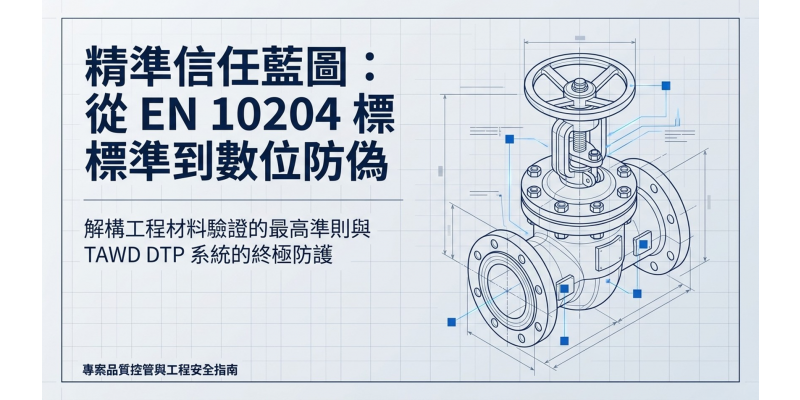
3.1 Material Certificate
In engineering management and quality control, a material certificate refers to a document used to verify that the material origin, specifications, performance, and quality comply with relevant standards and design requirements. It typically includes inspection reports, mill certificates, test data, and related certification documents. A complete and accurate material certificate not only ensures engineering quality but also helps reduce risks and disputes.
First, material certification is the foundation of engineering quality assurance. All materials used in projects—such as valve castings or pressure vessel components—must comply with design drawings and applicable standards. Without proper certification, it is impossible to effectively verify whether materials meet required specifications, which may compromise structural safety and service life. Therefore, material certificates serve as a critical basis for quality acceptance, ensuring that only qualified materials are used during construction.
EN 10204 provides a standardized classification system for material certificates, ensuring consistency and comparability in material quality verification. Among these, Type 3.1 and Type 3.2 are the core levels for engineering quality control and are widely required in international projects and regulatory frameworks. Selecting the appropriate certification level is essential to ensure product safety, regulatory compliance, and risk mitigation.
Material Certification Levels – EN 10204 Standard
EN 10204 is a European standard that defines the types and contents of inspection documents for metallic materials. It is a key reference in engineering and manufacturing, focusing on clearly distinguishing certification levels and defining the issuing authority and verification method to ensure traceability and reliability.
1. EN 10204 Classification
EN 10204 defines four types of material certificates:
Type 2.1 – Declaration of Compliance with the Order
- Issued by the manufacturer
- Declares compliance with order requirements only
- No actual test data provided
- Suitable for general, low-risk materials
Type 2.2 – Test Report
- Issued by the manufacturer
- Provides non-specific (not from the actual batch) test data
- Data typically derived from representative samples or production records
- Commonly used for general industrial applications
Type 3.1 – Inspection Certificate
- Issued by the manufacturer’s independent inspection department
- Provides actual test results from the delivered batch
- Includes chemical composition and mechanical properties
- The most commonly used and widely accepted certification level
Type 3.2 – Inspection Certificate with Third-Party Validation
- Verified by the manufacturer and an independent third-party or client representative
- Testing process must be witnessed or audited
- Used for critical or high-risk equipment (e.g., pressure vessels, nuclear, petrochemical)
- The highest level of certification
Contents of a 3.1 Material Certificate
A 3.1 material certificate typically includes the following key information:
1. General Information
- Material name and specification
- Model / size / grade
- Manufacturer name
- Heat number / lot number
- Manufacturing or mill date
2. Standards & Specifications
- Applicable standards (ASTM, JIS, CNS, ISO, etc.)
- Project or contractual requirements
3. Chemical Composition
- Elemental composition (C, Si, Mn, P, S, etc.)
- Compliance with specified limits
4. Mechanical Properties
- Tensile strength
- Yield strength
- Elongation
5. Test & Inspection Results
- Tensile testing
- Pressure or durability testing (depending on material type)
- Non-destructive testing (NDT: UT, RT, MT, etc.)
6. Dimensional & Visual Inspection
- Dimensional tolerances
- Surface condition and defect inspection
7. Certificate of Conformity (CoC)
- Manufacturer’s declaration of compliance with standards
8. Authorization
- Inspector or engineer signature
- Company stamp or certification body endorsement
TAWD DTP System
TAWD’s DTP system provides high-standard EN 10204 Type 3.1 and 2.2 material certification services, ensuring all documentation meets international standards and quality requirements. Internally, TAWD implements strict control through its 3.1 certification management system to guarantee traceability and consistency.
Why Choose TAWD
By selecting TAWD valves equipped with the DTP system, you can:
- Prevent the use of counterfeit or misapplied products
- Ensure compliance with regulations and international standards
- Enhance engineering quality and safety
- Strengthen inspection reliability and project confidence
#IOGP #JIP33 #PED